ISO 9001:2015 Certified Company

Mixed Waste Recycling (MLP Recycling Machine)

mixed-waste-recycling

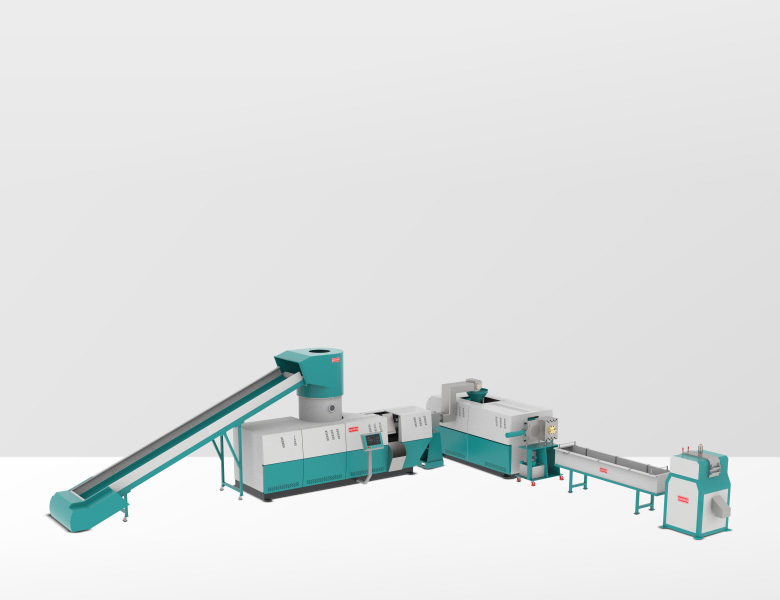
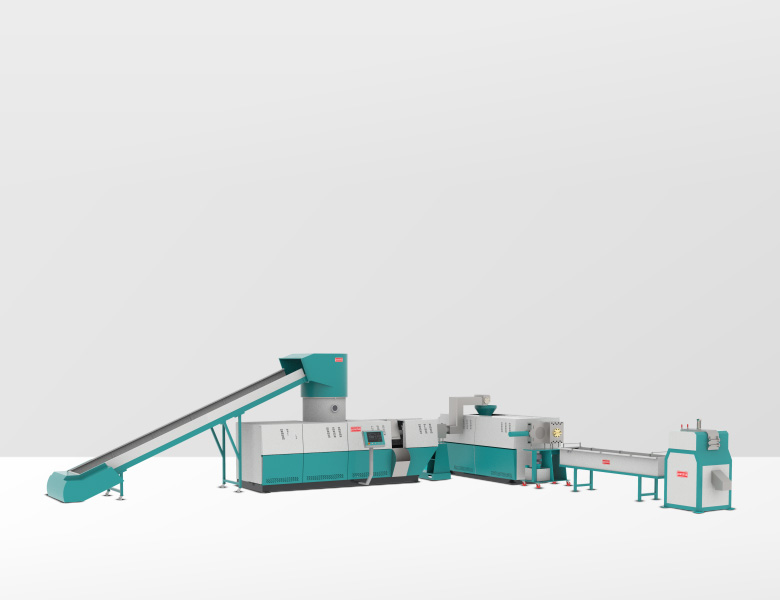
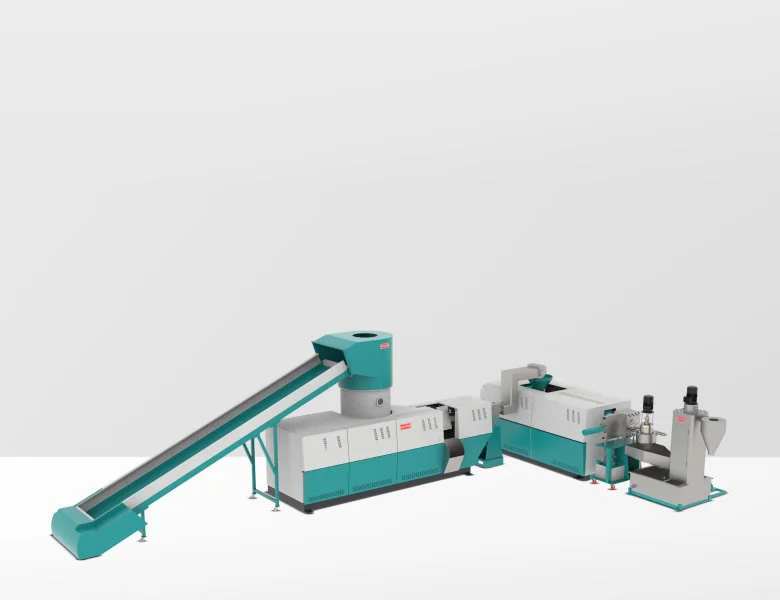
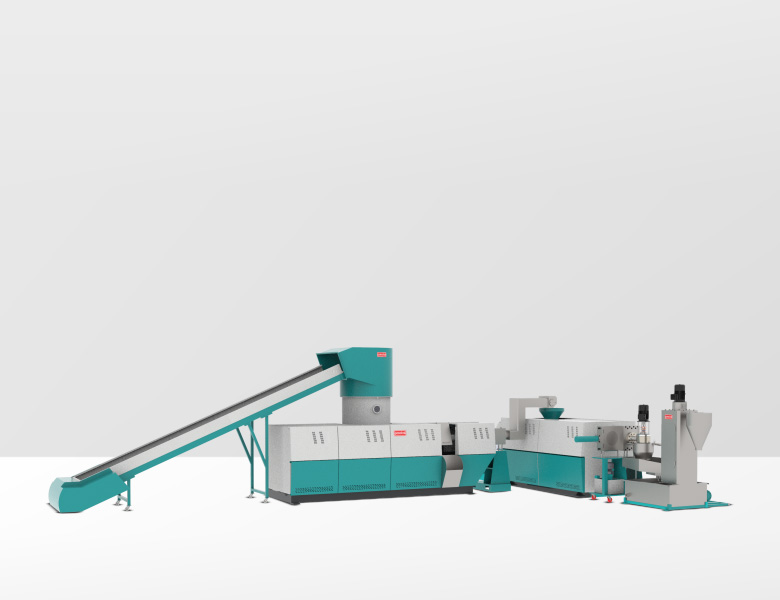
Our Mixed Waste Recycling Machine (MLP Recycling Machine) is designed for efficient MLP plastic recycling of laminated plastic waste, film scrap, and multi-layer packaging materials. This high-capacity mlp recycling machine processes materials such as LDPE, BOPP, PET/PE laminate, and mixed plastic waste, converting them into reusable raw material. As a reliable plastic recycling machine, it supports modern recycling plants handling complex packaging waste.

The system is ideal for large-scale mlp recycling of laminated film waste, packaging laminate scrap, and other difficult-to-recycle plastic materials. Designed for continuous operation, this mlp recycling machine is widely used in recycling facilities across India and global plastic processing industries.

Plastic recycling operations often generate trim and laminate waste that cannot be processed through conventional recycling methods. Through advanced mlp plastic recycling technology, our machine enables the effective reprocessing of laminated materials such as PET/PE (Polyester film laminated with LDPE), reducing waste disposal issues and environmental impact.

Major pieces of machinery are listed below:

  • Shredder / Agglomerator / Grinder Machine
  • Dryer
  • Mixer / Blender
  • Extruder (profile / sheet)

These components work together in the mlp recycling machine to ensure efficient mlp recycling, helping industries convert complex plastic waste into useful recycled products.

MLP Recycling Process & Machine Details

Features
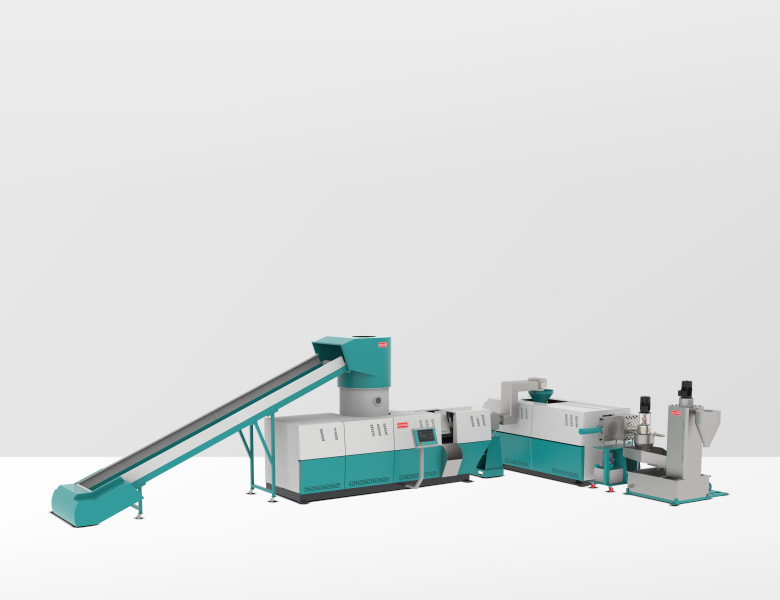
  • Combination of Agglomerator and Extruder: It is the machine that incorporates both an agglomerator and an extruder, with venting functionality that allows for the removal of volatile substances and moisture from the granules.
  • Wide Range of Screw Sizes: The machine is versatile to meet production requirements in the workshop, with the screws proportional to the range of 65mm to 200mm.
  • High Production Capacity: Equipped with a speed of 100 to 1500 kg/hr, it is capable of handling large waste amounts.
  • Vented Extruder: Powered by an extruder fitted with a vented outlet, which in turn removes volatile substances and moisture from the granules, creating quality recycled goods.
  • Adjustable Granule Size: Provides the possibility to regulate granule size, which yields the desired granules with perfect granule features similar to virgin materials.
  • Melt Pressure Transducer: Contain a melt pressure transducer to ensure accurate monitoring and management of melt pressure during the recycling process.
Application

Our innovative approach offers a solution. Panchal Plastic's plastic recycling machines can transform this challenging waste into valuable extruded products suitable for various applications.

These include flooring, architectural sheets (e.g., office partitions), corrugated roofing, slats for benches and chairs, and any extruded sections requiring mechanical load-bearing capabilities similar to the applications mentioned. The resulting product exhibits mechanical properties between General Purpose Polystyrene and HIPS.
Process

Our four-stage process involves:

  • 1-stage : Compaction: Waste is compacted through agglomeration, grinding, or shredding, followed by extrusion.
  • 2-stage : Drying: Granules are dried, mixed with bonding/compatibilizer and other additives.
  • 3-stage : Extrusion: The material is extruded into final usable shapes.
  • 4-stage : Lamination: For a decorative finish.

The addition of fillers or other additives may be considered in stage two, depending on the application and waste type. The use of a compatibilizer and precise control of process parameters are essential for successful recycling. Our cost-effective, indigenous compatibilizer helps keep the overall process economical.

Due to the presence of various inks in the PET/PE film laminate waste from the conversion industry, the reprocessed product is likely to have a darker color (e.g., dark green/grey/black), with some color variation due to metallized film in the waste.